Your dog will pick up things they shouldn't. It's not a matter of if. It's when. Socks, chicken bones, kids' toys, dead birds. "Drop it" is how you get those things back without a wrestling match, a vet bill, or a bite. Done right, your dog will spit things out happily because they know something better is coming.
Why This Command Matters
Forcing objects out of a dog's mouth is how resource guarding starts. It's also how people get bitten. A trained "drop it" keeps everyone safe and builds trust. Your dog learns that giving things up always works in their favor. It's especially critical for rescue dogs who may have had to compete for food or resources.
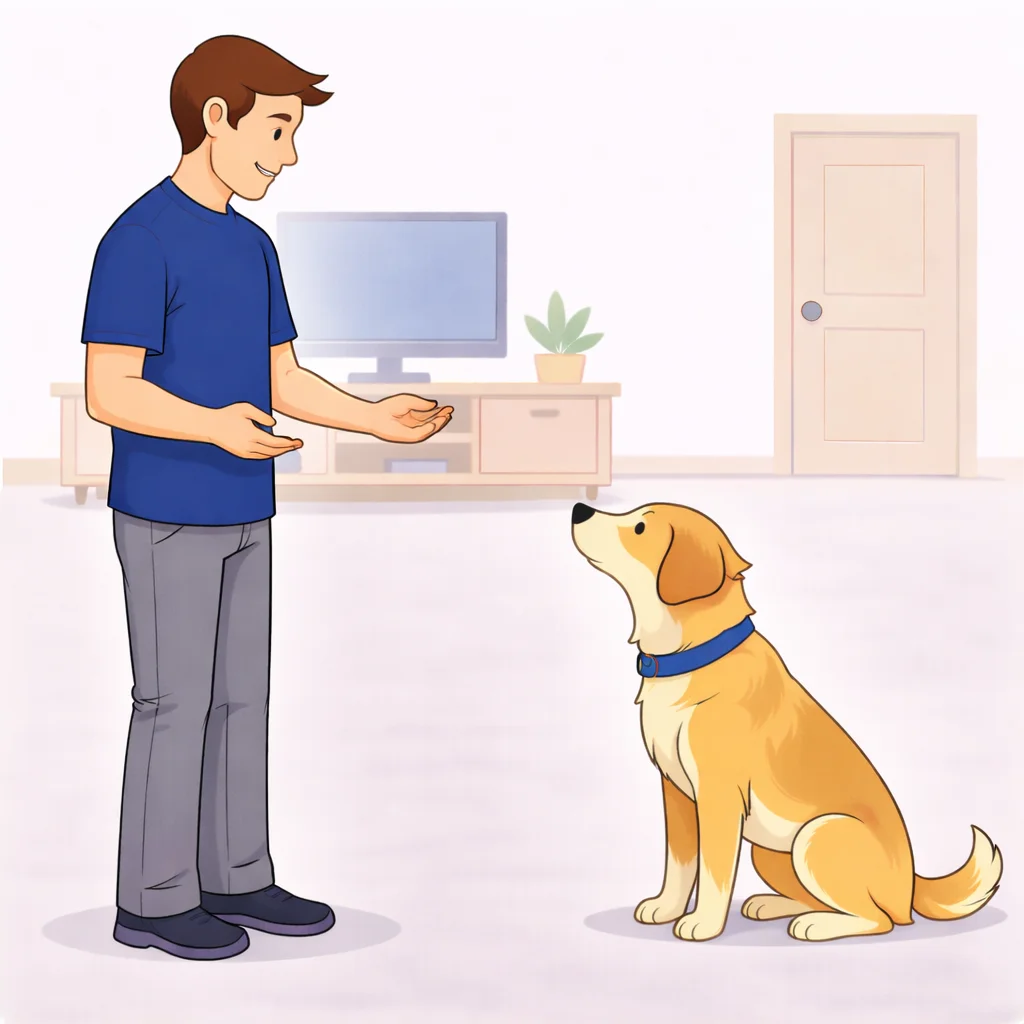
Hand Signal
Open both palms face-up in front of the dog, like you're offering something. This becomes the visual signal that "giving it up" leads to something good.
Step-by-Step Instructions
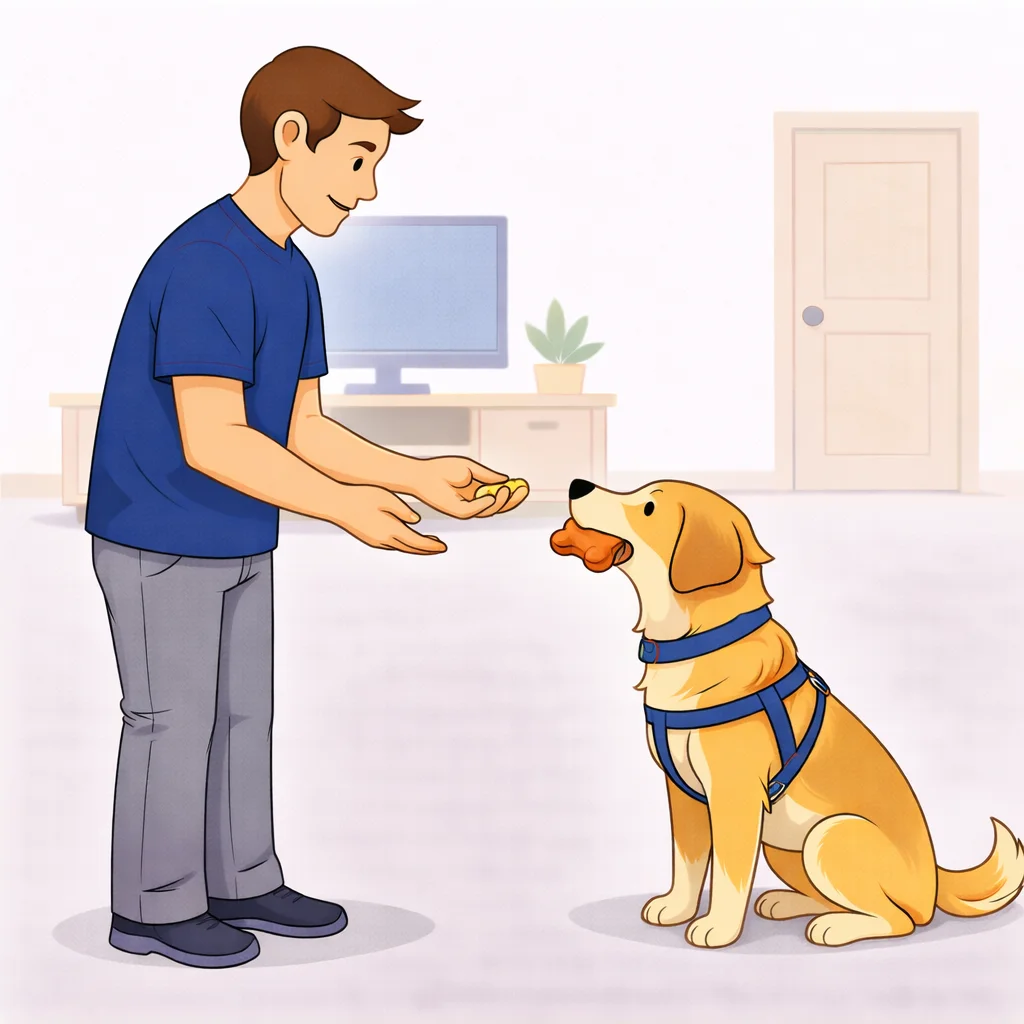
Start with a low-value toy and a really good treat
Let your dog pick up a toy they like but don't love. While they're holding it, show them an amazing treat (cheese, chicken). The moment they open their mouth to take the treat. Say "Drop it," let the toy fall, and give the treat.
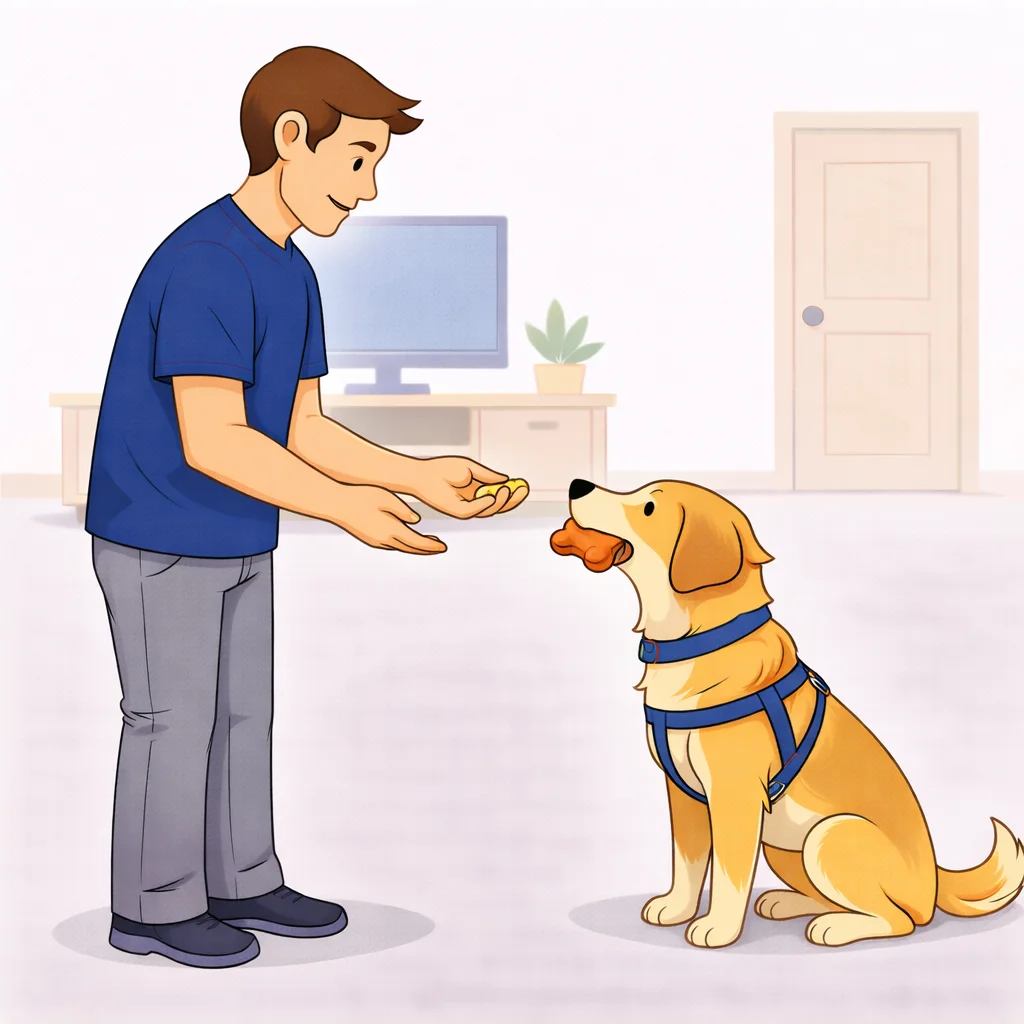
Give the toy back
After they drop the toy and eat the treat, give the toy back immediately. This teaches them that dropping doesn't mean losing. It means "you get a snack AND your toy back." This prevents guarding.
Practice the trade game 10-15 times
Play with the toy, ask for drop, treat, return toy. Repeat. Make it a fun game, not a confrontation. Your dog should start dropping eagerly because the pattern is always: drop = treat + toy back.
Gradually increase the value of dropped items
Move from boring toys to better toys, then to chews, then to items they really want. Always trade up. The treat you offer should beat what they're dropping. Higher value items need higher value trades.
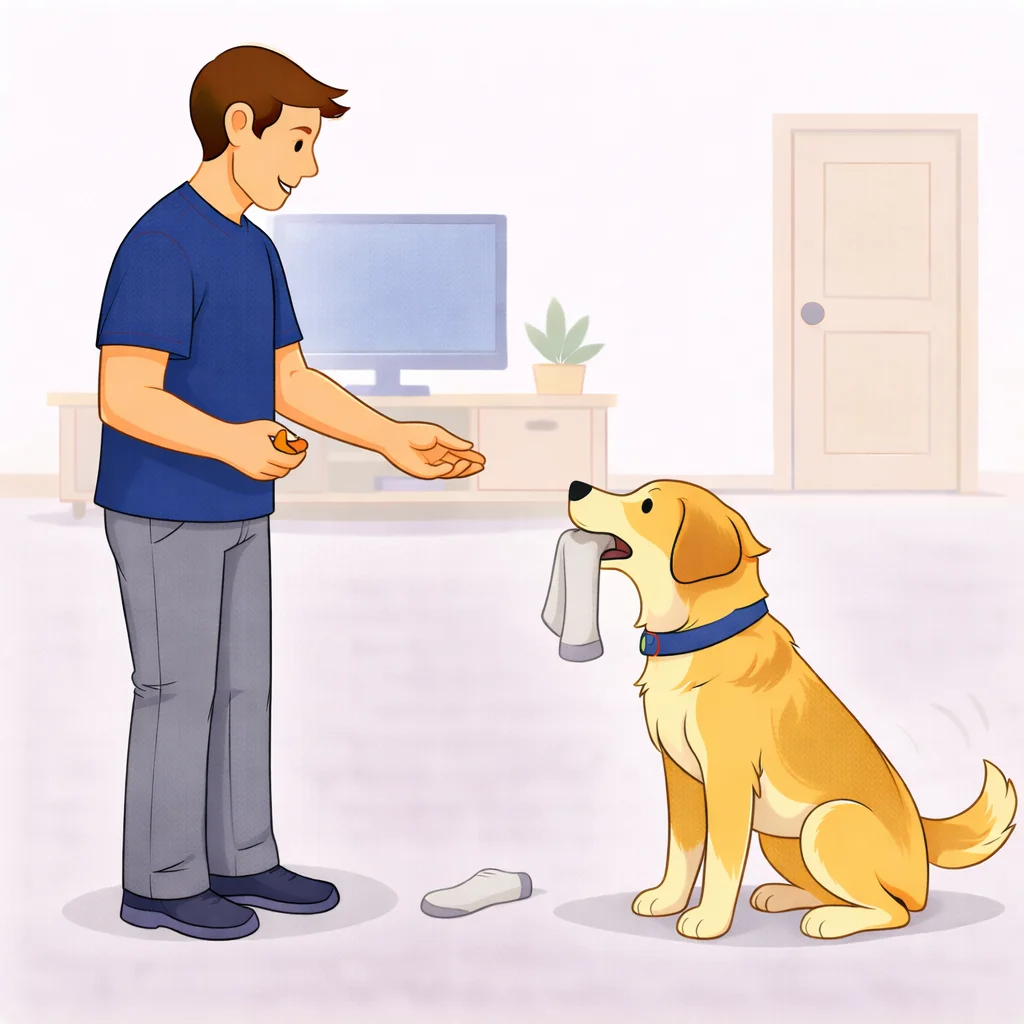
Practice with unexpected items
Set up scenarios. "accidentally" drop a sock where they'll find it. When they pick it up, calmly ask for "drop it" and reward. This builds the habit for real-life surprises.
Recommended Practice
2-3 sessions daily during play, 5 minutes each. Basic toy trades take 3-5 days. Reliable drops with medium-value items take 2 weeks. Favourite item reliability takes 3-4 weeks.
Common Mistakes
Chasing the dog to grab the item
Chasing turns it into a keep-away game. Stand still, show the treat, wait. If urgent, walk away. Most dogs follow. Never chase.
Prying their mouth open
This creates fear, distrust, and can lead to resource guarding or biting. Always trade, never force.
Only asking for "drop it" when it's something dangerous
If you only use it in emergencies, the word carries panic energy. Practice with normal toys daily so it stays positive and routine.
Troubleshooting
"My dog runs away when I approach them with something in their mouth"
That's avoidance behavior. They've learned that you approaching means losing the thing. Rebuild trust. Start by tossing treats near them without asking for anything. Then practice trades at a distance. Never chase.
"They drop the toy but grab it back before I can pick it up"
Toss the treat a few feet away from the toy so they have to move to get it. While they eat, calmly pick up the toy. Then give it back. They learn: leaving the toy gets a treat AND the toy returns.
"My dog growls when I try to take things"
This is resource guarding and needs professional help. Do not push through growling. It can escalate to biting. Contact a certified behaviorist. Your local humane society or vet can connect you with guarding specialists.
Pro Tips
Play "trade" games daily, even when you don't need the item. This keeps the behavior strong.
Keep really good emergency treats accessible (not in a sealed bag in the pantry). You need them fast when your dog grabs something dangerous.
For dogs who swallow things quickly, focus on "leave it" prevention rather than "drop it" retrieval.
Teach drop it during tug games. It makes tug more fun AND builds the behavior naturally.
📍 Calgary Training Tip
Calgary parks sometimes have discarded chicken bones, especially near picnic areas in Prince's Island Park and Bowness. Having a reliable "drop it" is essential for off-leash areas. Keep emergency trade treats in your jacket pocket year-round.